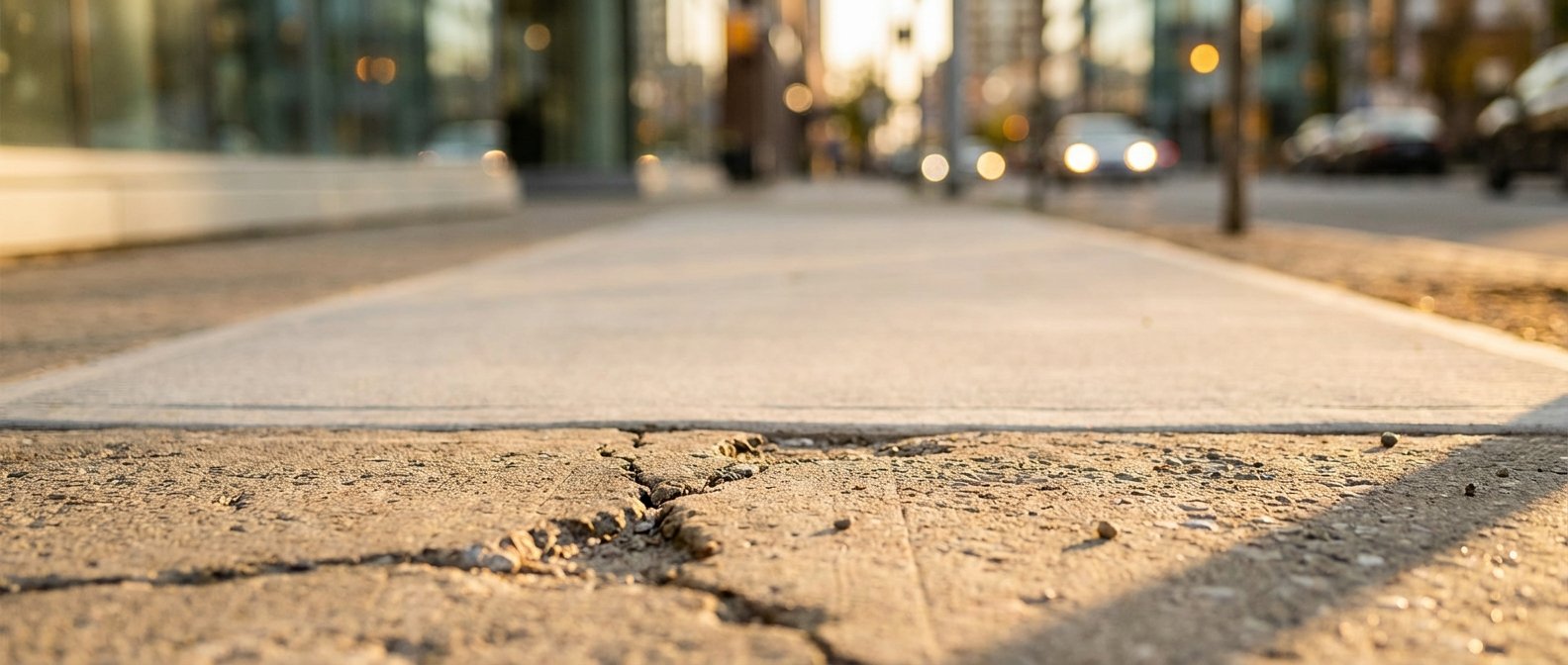
Uneven sidewalks create significant liability exposure for property owners and managers. According to the ADA, any vertical displacement exceeding ¼ inch constitutes a trip hazard requiring immediate attention. When faced with this common infrastructure problem, decision-makers need reliable information about repair options that balance cost, compliance, and durability. This comparison examines five distinct approaches to addressing uneven concrete walkways, helping you identify the most effective solution for your specific situation.
Understanding Sidewalk Trip Hazards and Compliance Requirements

Before exploring repair methods, understanding the regulatory framework is essential. The Americans with Disabilities Act mandates that walking surfaces maintain vertical changes no greater than ¼ inch. Additionally, any required slopes must not exceed a 1:12 ratio to remain compliant. OSHA standards require adequate slip resistance to prevent workplace accidents. These aren’t merely recommendations—they represent legal requirements with significant liability implications.
Property owners face substantial risk when sidewalks develop hazardous conditions. Trip and fall claims frequently result in settlements exceeding $50,000, with some verdicts reaching into seven figures. Insurance premiums increase after claims, and repeated incidents can make properties difficult to insure. Beyond financial concerns, there’s an ethical obligation to maintain safe environments for employees, customers, and community members.
Solution #1: Concrete Grinding

Concrete grinding represents the most widely recognized approach to addressing uneven sidewalks. This method uses rotating diamond blades to remove material from the higher concrete panel, creating a beveled transition between surfaces.
How Grinding Works
Contractors use specialized equipment with multiple diamond-studded grinding heads that progressively remove concrete. The process generates substantial dust and noise, typically requiring several hours per location. The resulting slope connects the two panels, theoretically reducing the abrupt height difference.
Limitations of Grinding
While grinding addresses immediate height differentials, it introduces new problems. The beveled transition often exceeds ADA-compliant slope ratios, particularly when height differences approach or exceed ½ inch. The grinding process exposes aggregate and creates a rougher surface texture that can present wheelchair accessibility challenges. Additionally, ground surfaces lose their original finish and slip-resistance properties may be inconsistent.
Grinding also fails to address the underlying cause of displacement. Soil settlement, tree root intrusion, or erosion continues affecting the concrete, meaning the problem often recurs within months. This method costs 40-60% less than replacement but delivers temporary results that require ongoing maintenance.
Solution #2: Mudjacking (Slabjacking)
Mudjacking involves pumping a slurry mixture beneath sunken concrete panels to lift them back to the proper elevation. This technique has existed for decades and works by filling voids beneath the concrete.
The Mudjacking Process
Contractors drill multiple 2-inch diameter holes through the affected slab, then pump a mixture of water, soil, sand, and cement underneath. As material accumulates, hydraulic pressure lifts the concrete. Once the desired height is achieved, holes are patched with fresh concrete.
Drawbacks and Considerations
Mudjacking adds significant weight to underlying soil—the very soil that already demonstrated an inability to support the original load. This often leads to future settlement, particularly in areas with expansive clay soils or poor drainage. The visible patch holes, while filled, remain noticeable and can detract from aesthetics. The method also requires access beneath the slab and doesn’t work effectively for all soil conditions or panel sizes. Costs typically run 50-70% of replacement expenses, but longevity varies considerably based on soil stability.
Solution #3: Polyurethane Foam Injection (PolyLevel)
A more modern approach to lifting settled concrete involves injecting expanding polyurethane foam beneath slabs. This lighter-weight alternative to mudjacking has gained popularity in recent years.
Foam Injection Technology
Technicians drill smaller holes (approximately 5/8 inch) and inject two-part polyurethane compounds that react and expand beneath the concrete. The lightweight foam cures quickly, allowing immediate use of repaired areas. The precision allows for minute adjustments in elevation.
Cost and Longevity Factors
Polyurethane injection costs approximately 60-80% of replacement pricing, making it one of the more expensive repair options. While the foam doesn’t add problematic weight like mudjacking material, it still doesn’t eliminate the root causes of settlement. Additionally, foam can deteriorate over time when exposed to moisture or UV light through cracks. The method works best for newer concrete without extensive cracking or damage.
Solution #4: Complete Replacement
Removing and replacing affected sections provides a clean slate but represents the most invasive and expensive option.
The Replacement Process
Contractors demolish existing concrete, haul away debris, address base preparation, and pour new sections. This requires proper curing time (typically 7-28 days depending on application), extended site closures, and coordination with adjacent panels to ensure proper joints and transitions.
When Replacement Makes Sense
Replacement becomes necessary when concrete has deteriorated beyond repair—extensive cracking, spalling, or structural failure. However, for simple trip hazards caused by settlement or heaving, replacement addresses the symptom rather than the cause. Unless underlying soil issues are properly corrected, new concrete often experiences the same problems. At full cost with extended downtime, replacement should be reserved for genuinely failed concrete rather than serviceable panels with height differentials.
Solution #5: Precision Cutting Method
The most advanced approach to uneven sidewalk repair involves a patented cutting technology that removes material from the raised panel while maintaining the original surface finish and ensuring ADA compliance.
How the Cutting Method Works
This technique uses specialized equipment to make precise cuts in the higher concrete panel, removing a measured section to create a compliant transition. Unlike grinding, which creates beveled slopes of uncertain ratio, cutting produces exact 1:12 ADA-compliant slopes. The process maintains the original surface texture and slip-resistance properties while achieving zero differential between panels at the transition point.
Distinct Advantages
The cutting method delivers permanent results by properly addressing height differentials without compromising surface integrity. Because the original finished surface remains intact, there’s no exposure of aggregate, no inconsistent textures, and no accessibility concerns. The precision ensures compliance with both ADA slope requirements and OSHA slip-resistance standards.
Environmental responsibility distinguishes this approach—all debris is recycled rather than sent to landfills. The process creates minimal disruption, allowing same-day completion and immediate use of repaired areas. Most significantly, costs run 70-90% less than complete replacement while delivering superior compliance results compared to grinding.
Long-Term Value
Unlike lifting methods that don’t address underlying settlement causes or grinding that creates non-compliant slopes, precision cutting provides a permanent repair that resolves the trip hazard while maintaining original concrete quality. The method works effectively regardless of soil conditions and doesn’t add weight or introduce materials that may fail over time.
Choosing the Right Solution for Your Property
Selecting the appropriate repair method depends on several factors: the extent of displacement, concrete condition, budget constraints, compliance requirements, and timeline considerations.
For minor settlement with otherwise sound concrete, lifting methods may provide value if soil conditions support long-term stability. When height differentials result from heaving rather than settlement, removal-based solutions become necessary. For compliance-critical environments—schools, healthcare facilities, government properties, and commercial locations—precision methods that guarantee ADA compliance offer the best liability protection.
Budget considerations extend beyond initial costs. A cheaper repair requiring repeated maintenance may ultimately cost more than a permanent solution. Downtime also carries costs—lost revenue, inconvenienced customers, and operational disruptions add hidden expenses to prolonged repair timelines.
Frequently Asked Questions
Does home insurance cover sidewalk repair?
Most standard homeowners insurance policies do not cover sidewalk repair costs, as insurers consider concrete settlement and normal wear maintenance issues rather than covered perils. However, if a specific covered event—such as a fallen tree, vehicle impact, or sudden ground collapse—caused the damage, coverage may apply. Property owners should review their specific policy language and consider liability coverage, which may protect against claims if someone is injured due to sidewalk hazards. For commercial properties, liability exposure makes proactive repair more cost-effective than relying on insurance after an incident occurs.
How to fix concrete that is not level outside?
The most effective method depends on the specific situation. If concrete has settled, lifting techniques like mudjacking or polyurethane injection can restore elevation. If one panel has heaved above another, removal-based solutions like precision cutting or grinding address the height differential. For ADA-compliant permanent repairs, precision cutting methods deliver superior results by maintaining original surface integrity while creating exact 1:12 slopes. Assess the concrete condition, displacement cause, and compliance requirements before selecting a method.
Is it cheaper to level concrete or replace?
Leveling concrete costs significantly less than replacement—typically 20-50% of replacement costs depending on the method used. Precision cutting methods deliver 70-90% savings compared to replacement while ensuring ADA compliance. Grinding costs less initially but may require repeated maintenance. The most cost-effective approach balances upfront expenses with long-term performance and compliance assurance. Replacement should be reserved for structurally compromised concrete rather than simple elevation issues.
Can you pour a new sidewalk over an old sidewalk?
While technically possible to pour new concrete over existing sidewalks, this approach creates multiple problems. The added height may create new trip hazards at transitions, complicate drainage, and interfere with door clearances. The overlay adds weight to already-settled areas, potentially accelerating future problems. Most importantly, this method fails to address underlying causes of displacement. Building codes and ADA requirements often prohibit this approach in commercial applications. Proper repairs address the specific problem rather than covering it with additional material.
Take Action on Sidewalk Safety
Uneven sidewalks represent more than aesthetic concerns—they create genuine liability exposure and accessibility barriers. The right repair method protects your property investment, ensures regulatory compliance, and maintains safe environments for everyone who uses your walkways.
When evaluating options, prioritize solutions that deliver permanent results, guarantee ADA compliance, and minimize operational disruption. The most effective quick fix for uneven sidewalk problems combines precision, compliance, and cost-effectiveness—addressing both the immediate trip hazard and long-term performance requirements. Proactive maintenance protects against liability while demonstrating commitment to accessibility and safety standards that benefit your entire community.