
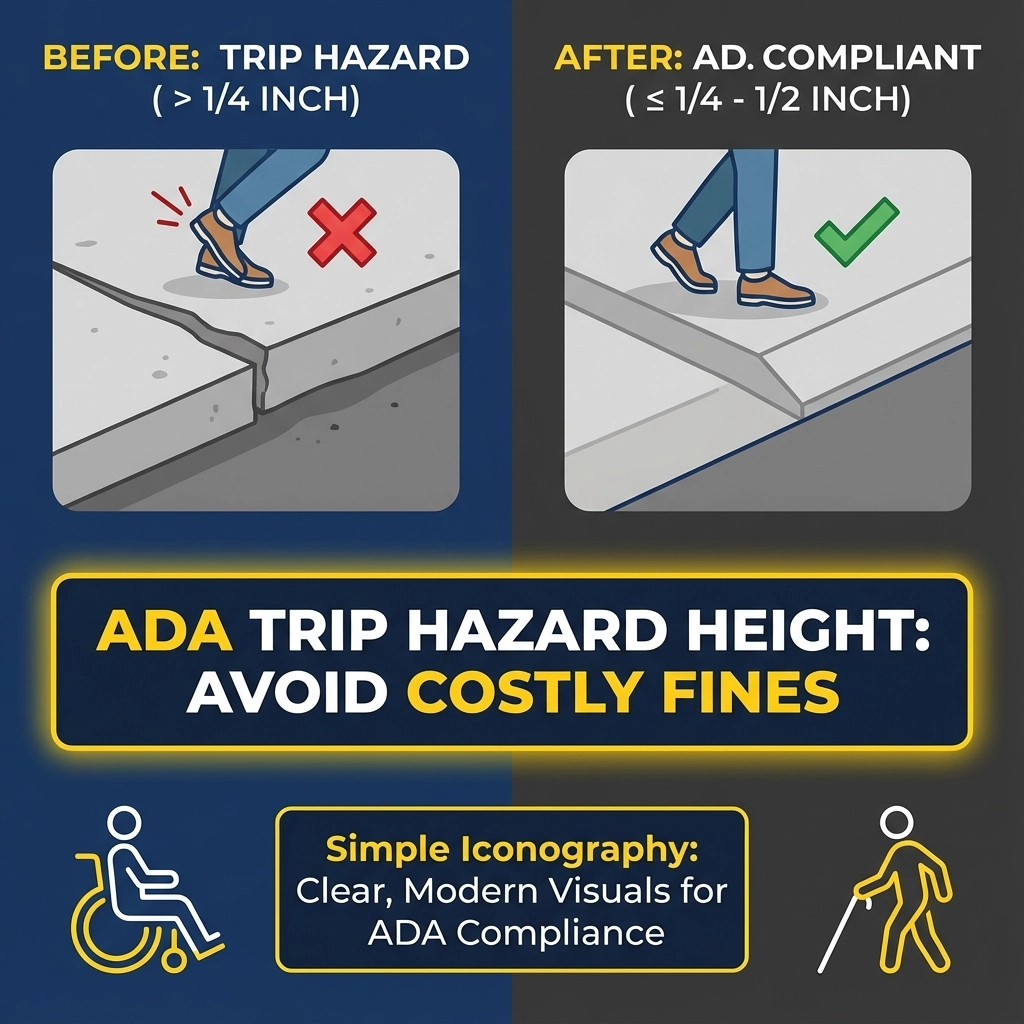
Property managers and building owners face a ticking time bomb hidden in plain sight: sidewalk trip hazards that violate ADA standards. A single vertical change exceeding 1/4 inch can trigger lawsuits costing tens of thousands of dollars, yet many property owners remain unaware of this critical threshold until it's too late.
The Americans with Disabilities Act (ADA) establishes clear, non-negotiable standards for what constitutes a trip hazard, and the consequences of non-compliance extend far beyond simple fines. Understanding these requirements isn't just about legal compliance, it's about protecting your property investment and ensuring safe access for everyone.
What Exactly Is the ADA Trip Hazard Height Limit?
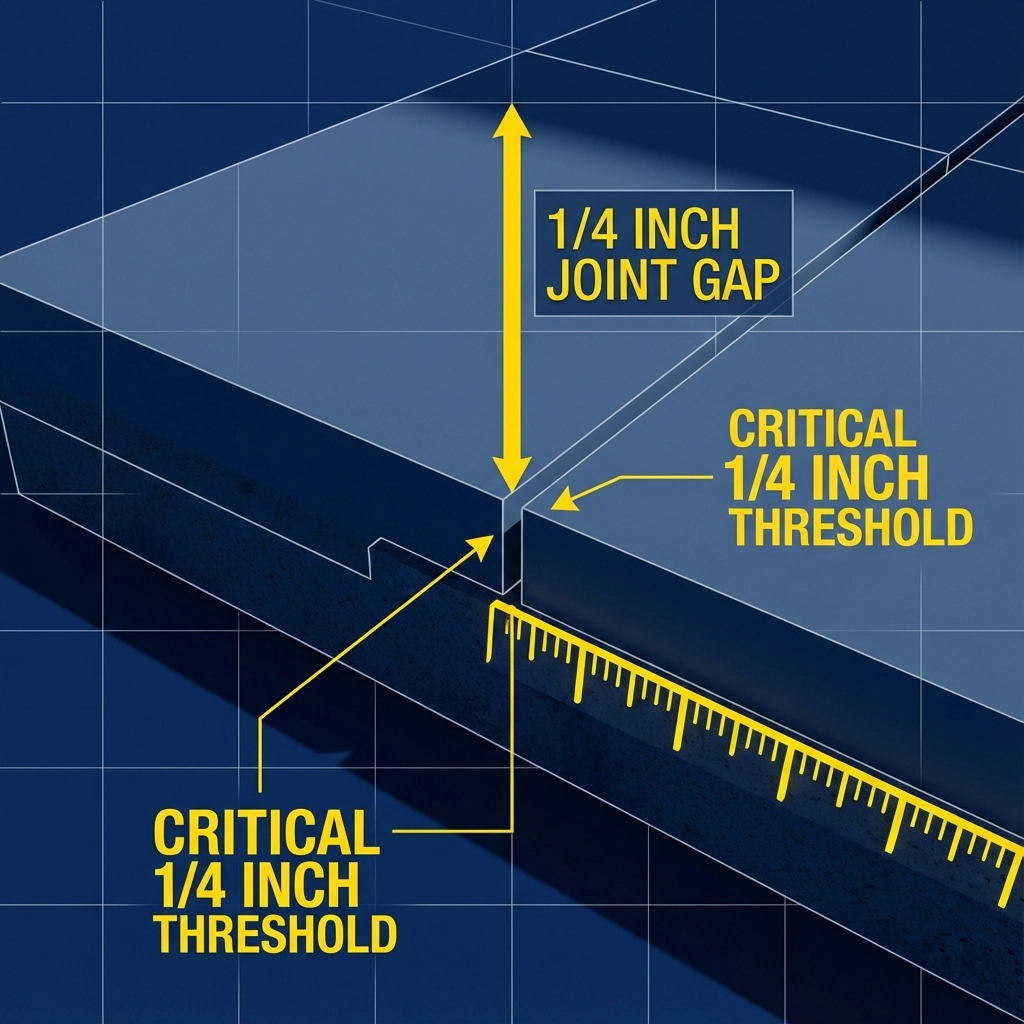
The ADA trip hazard height standard is straightforward but unforgiving: any vertical change of 1/4 inch or greater at joints, cracks, or level changes in walking surfaces constitutes a trip hazard. This measurement applies to all public accommodations, commercial facilities, and places of public assembly.
Here's how the ADA breaks down acceptable elevation changes:
- Up to 1/4 inch: No treatment required
- 1/4 inch to 1/2 inch: Must be beveled with a slope no steeper than 1:2
- Over 1/2 inch: Requires ramp construction or walkway with maximum 1:20 slope
This isn't a guideline, it's federal law. The Department of Justice has consistently enforced these standards through litigation, resulting in significant financial penalties for non-compliant properties.
The Hidden Costs of ADA Non-Compliance
Legal Liability Exposure
ADA lawsuits related to trip hazards are becoming increasingly common, particularly in California where state accessibility laws (Unruh Civil Rights Act) provide additional penalties. A single lawsuit can cost property owners:
- $4,000-$8,000 in minimum statutory damages per violation
- $15,000-$50,000 in attorney fees and court costs
- Ongoing compliance monitoring requirements
- Potential personal injury claims if someone gets hurt
Insurance Complications
Many property insurance policies exclude coverage for ADA-related claims, leaving owners personally liable for legal costs and damages. Even when coverage exists, claims can lead to policy cancellations or premium increases that far exceed the cost of preventive repairs.
Property Value Impact
Buildings with documented ADA violations face challenges in sales transactions, refinancing, and tenant retention. Prospective buyers often demand significant price reductions to account for compliance costs and potential liability exposure.
Identifying Trip Hazards on Your Property
Common Problem Areas
Trip hazards typically develop in these high-risk locations:
- Sidewalk joints where concrete sections meet
- Transition areas between different surface materials
- Around utility covers and drainage structures
- Building entrances and threshold areas
- Parking lot connections to pedestrian walkways
The Quarter Test
A simple way to identify potential violations: if a quarter can stand upright in a crack or joint, you likely have a trip hazard exceeding the 1/4-inch threshold. However, professional assessment using precise measuring tools is essential for compliance verification.
Modern Solutions for ADA Trip Hazard Repair
Traditional vs. Advanced Repair Methods
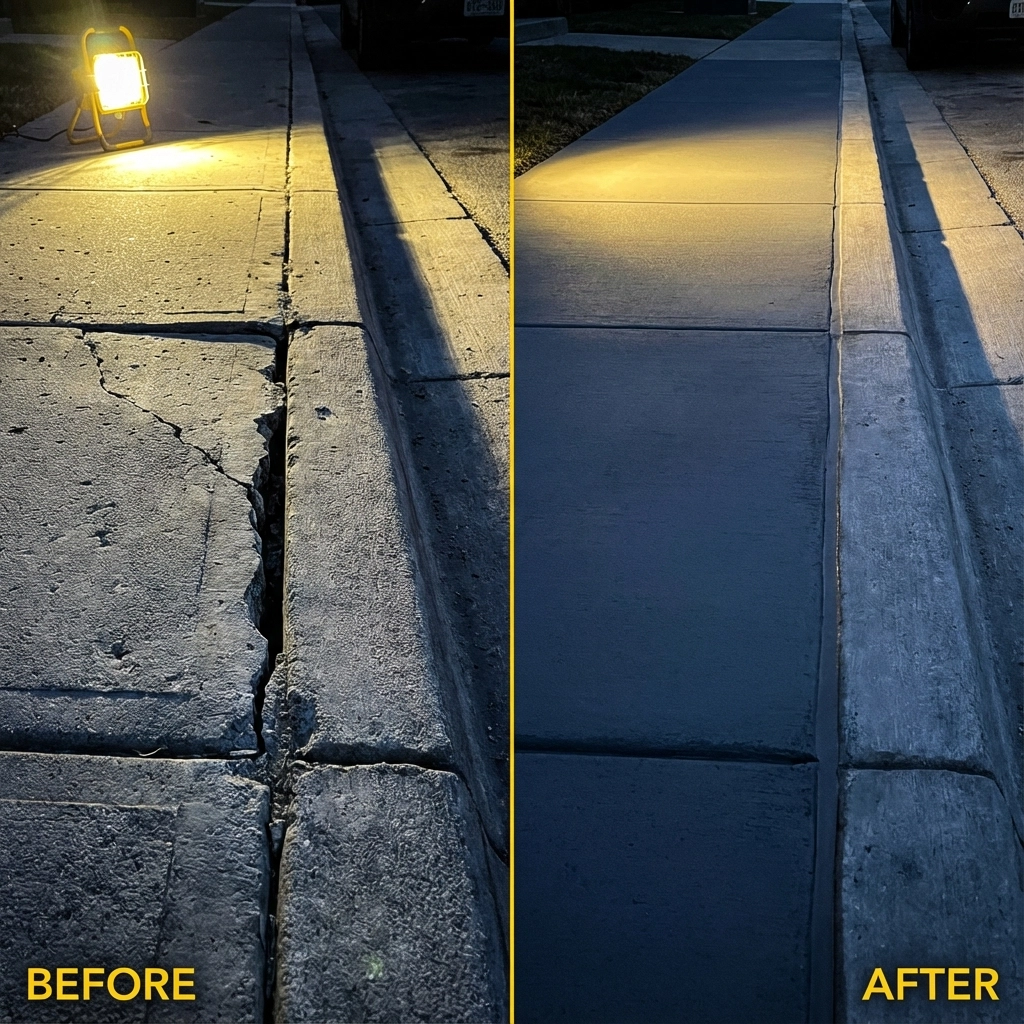
While traditional approaches like concrete replacement can address trip hazards, they're often disruptive, expensive, and time-consuming. Modern sidewalk trip hazard repair techniques offer more efficient solutions:
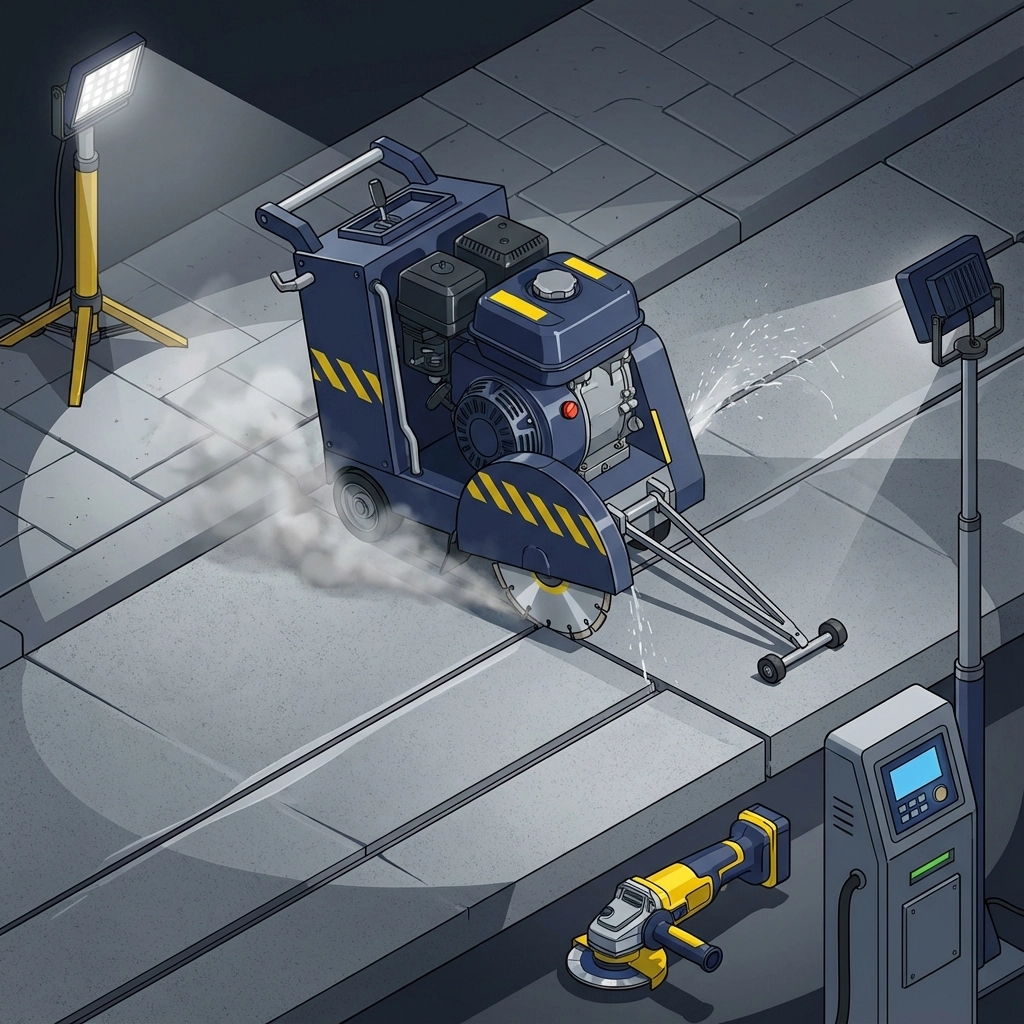
Concrete Grinding: Removes raised sections to eliminate height differences, but can create surface irregularities and doesn't address underlying settlement issues.
Precision Cutting Technology: Advanced cutting methods can create precise, smooth transitions that meet ADA requirements while maintaining structural integrity and aesthetic appeal.
Why Repair Method Matters
The repair technique you choose impacts both immediate compliance and long-term durability. Poor repairs can create new trip hazards within months, leading to repeated violations and escalating costs. Quality ADA compliance solutions address both the immediate hazard and underlying causes of settlement or movement.
Understanding Your Legal Obligations
Who Must Comply?
ADA requirements apply to virtually all commercial properties, including:
- Retail stores and restaurants
- Office buildings and medical facilities
- Housing complexes with public areas
- Municipal buildings and schools
- Hotels and entertainment venues
Timing Requirements
There's no grace period for ADA compliance. Trip hazards must be addressed immediately upon discovery. Waiting for scheduled maintenance or budget cycles doesn't protect against liability, it increases it.
Property owners who demonstrate knowledge of violations but fail to act face enhanced liability under "deliberate indifference" standards. Documentation showing awareness of problems without remediation can significantly increase damage awards.
For comprehensive guidance on eliminating trip hazard liability, property owners should work with experienced professionals who understand both ADA requirements and effective repair techniques.
Frequently Asked Questions
Q: Can I fix an ADA trip hazard myself?
A: While property owners can attempt DIY repairs, ADA compliance requires precise measurements and proper techniques. Improper repairs may create new violations or fail to meet durability standards, leading to repeated problems and ongoing liability.
Q: How often should I inspect for trip hazards?
A: Monthly visual inspections are recommended for high-traffic areas, with professional assessments annually or after significant weather events. Document all inspections to demonstrate due diligence in maintaining compliance.
Q: Are temporary fixes like cones or tape sufficient for ADA compliance?
A: No. Temporary measures may reduce immediate injury risk but don't satisfy ADA requirements. Permanent repair or removal of the hazard is the only acceptable solution under federal law.
Q: What's the difference between ADA trip hazard height and general safety standards?
A: ADA standards are more stringent than general building codes. While building codes might allow larger elevation changes in certain contexts, ADA requirements apply the 1/4-inch threshold universally to ensure accessibility for people with disabilities.
Q: Can weather conditions excuse ADA violations?
A: Weather-related damage doesn't excuse non-compliance, but it may affect liability timing. Property owners must address hazards within reasonable timeframes after discovery, regardless of how they developed.
Q: How do I prove ADA compliance during inspections or legal proceedings?
A: Maintain detailed documentation including repair dates, methods used, measurements taken, and photos before and after repairs. Professional certification of compliance work provides additional legal protection.
For property owners seeking reliable concrete sidewalk repair services, working with experienced contractors who understand ADA requirements ensures both immediate compliance and long-term protection.
Connect with ADA Compliance Experts
Stay informed about evolving ADA requirements and best practices by following industry leaders. Precision Concrete Cutting of Northern California regularly shares insights on sidewalk safety, compliance updates, and innovative repair techniques through their professional network.
Don't let hidden trip hazards become costly legal liabilities. Professional assessment and prompt repair of ADA violations protect your property investment while ensuring safe access for all visitors. Contact our experienced team today for a comprehensive evaluation of your sidewalk and walkway compliance status: because prevention is always more affordable than litigation.
Ready to eliminate your trip hazard liability? Schedule your complimentary ADA compliance assessment and discover how modern repair techniques can protect your property while minimizing disruption to your operations. Our certified technicians provide detailed reports and cost-effective solutions tailored to your specific compliance needs.